
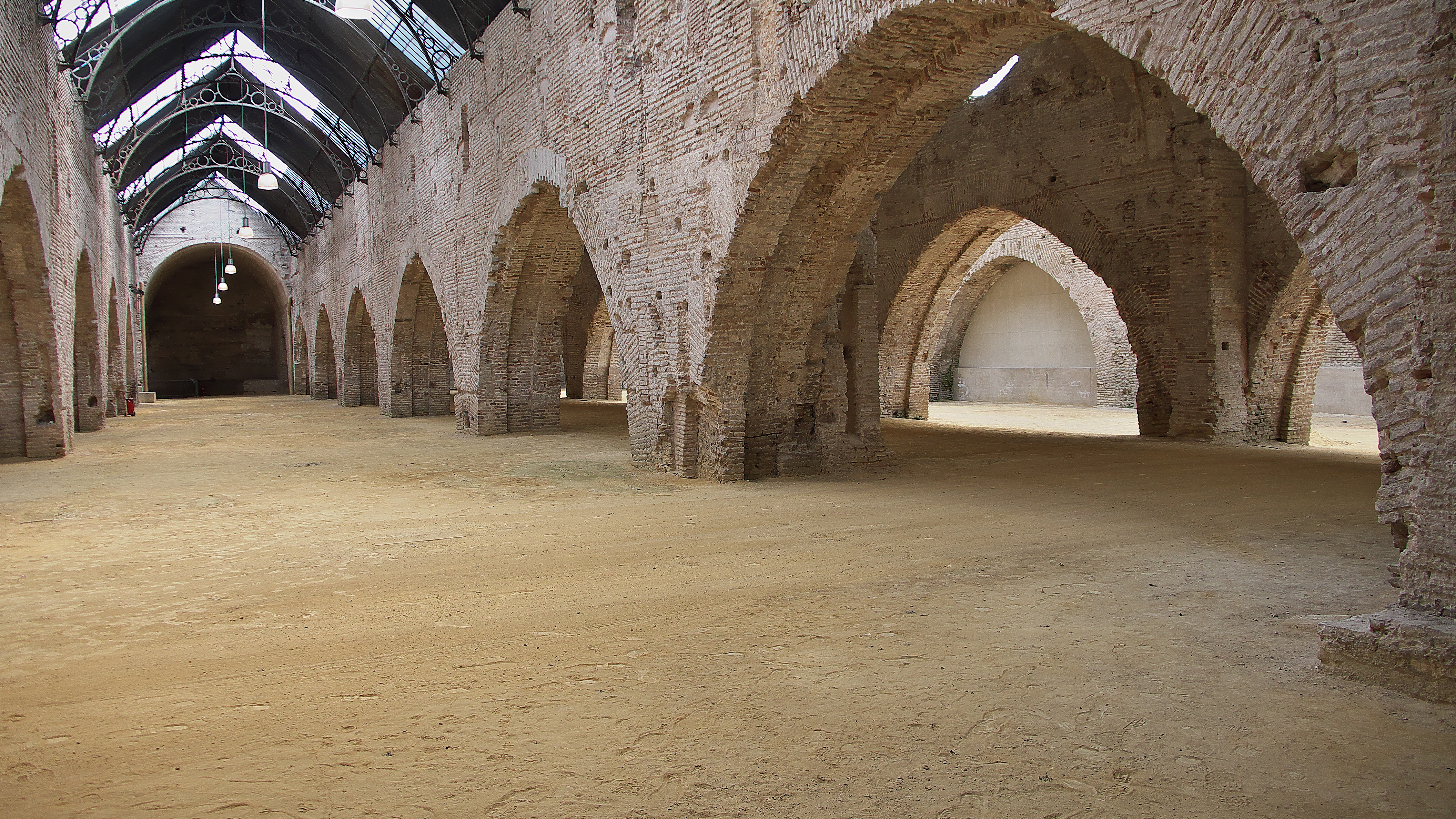
The origin of the concept of heritage lies in the human capacity to produce goods and construct an artificial environment, which are hierarchically valued according to their nature. This distinction ranges from purely instrumental and temporary-use objects to timeless ones that transcend through time due to their high durability.
Through the intergenerational transmission of this legacy, assets become the central axis of a sense of belonging and social identities—whether of legitimation, resistance, or project. In this way, the construction of collective memory requires a filter between remembrance and the selection of what should be forgotten, as synthesized by Roger Martin du Gard: “Life would be impossible if everything were remembered. The secret lies in knowing how to choose what should be forgotten.”
The conceptual, legal, disciplinary, and management evolution of historical heritage stands as a dynamic process of social construction. In the initial theoretical approach, culture is established as encompassing the distinctive traits that characterize a society, where heritage assets stem from the appreciation and hierarchy assigned to objects. These evolve from merely instrumental goods into transcendent ones that shape memory, belonging, and collective identity.
From a regulatory standpoint, the concept has undergone considerable expansion. State and Andalusian legislation (Law 16/1985 and Law 14/2007) have broadened protection beyond mere antiquity or economic value to integrate movable, immovable, intangible, archaeological, ethnological, and industrial assets. This legal evolution has given rise to territorial-scale typologies such as historical sites, historical ensembles, archaeological zones, and, more recently, heritage zones and cultural landscapes. Likewise, the guardianship of these elements is channeled through specific institutions such as museums, archives, libraries, and cultural spaces or complexes integrated into management networks.
The practice of heritage protection has gradually shifted from an isolated focus on the physical object or monument toward a systemic and integrated management approach. This contemporary process of stewardship is articulated through a circular dynamic where research, legal protection, material conservation and intervention, and dissemination or enhancement interact. This relational vision requires moving beyond exclusively honorary administrations to establish deeply transdisciplinary professional work involving architects, archaeologists, historians, conservators, scientists, and managers.
Finally, new cultural policies reposition cultural heritage as an active social and economic resource that is key to sustainable development, urban quality of life, and community cohesion. In today’s globalized context, characterized by the experience economy and the intangible, heritage action demands cross-cutting projects oriented toward enjoyment, cultural diversity, and civic dynamism—conceiving heritage not as a static legacy of the past, but as a living tool for innovation and future memory.
SOURCES:
- Mosquera Adell, E. Historical Heritage: An Introduction [Patrimonio histórico: Una introducción] [Course material]. Master’s Degree in Architecture and Historical Heritage (MARPH), University of Seville.
- Mosquera Adell, E. The Protection of Historical Heritage: Entries [La tutela del patrimonio histórico: Entradas] [Course material]. Master’s Degree in Architecture and Historical Heritage (MARPH), University of Seville.